Stargazing is one of those hobbies anyone can jump into. Stepping outside on a clear night and seeing Jupiter, Saturn, or a whole swirl of stars overhead feels a little bit like holding a secret only a few people notice. I still remember my first real experience with a telescope; it was nowhere near a professional setup, but pointing it at the Moon and actually seeing craters and shadows totally blew my mind. If you’ve been curious about exploring the night sky, there’s no need for fancy, pricey gear right away. I’m breaking down all the basics for anyone who wants to get started with stargazing, from what to expect on your very first night to some tips that keep things fun and stress-free.
Why Stargazing Is Worth Checking Out
Looking up at the stars goes way beyond just seeing distant dots of light. Stargazing can help you disconnect from busy routines and connect with something much bigger. It’s also a pretty cool mix of art and science; you get to enjoy all those beautiful sights, but you also pick up plenty of astronomy facts and skills along the way.
Modern stargazing doesn’t just mean peering through telescopes. Apps, binoculars, and even the naked eye all play a role. According to the International Dark-Sky Association, interest in lightfree spaces and star parks is rising, and astronomy is claiming new fans every year. Whether you want to identify constellations, catch meteor showers, or just take a quiet break, there’s something in stargazing for everyone.
Astronomy is one of humanity’s oldest passions, dating back thousands of years. Ancient cultures used the stars to keep calendars, steer through tough terrain, and plan harvests. Today’s hobby stargazers enjoy those same wonders with just a little more tech at their fingertips. Even with all our screens and city lights, the universe still puts on a pretty eye-catching show each and every night.
If you’ve never spent time really looking, just a few hours outdoors can shift your perspective. The more you watch and learn, the more you’ll pick up on subtle changes from week to week. Tracking the planet’s dance, learning the difference between satellites and meteors, and seeing the bands on Jupiter all add up to an experience that sticks with you. Plus, stargazing is easy to share, drawing in family and friends with nothing more than an open sky and a little curiosity.
Getting Started: What You Really Need to Begin Stargazing
You don’t have to splash out on a fancy telescope to start. In fact, I managed with just a blanket and my phone for my first big night out. Here’s what helps make your first sessions comfortable and memorable:
- Dark Sky Location: Light pollution really cuts down what you’ll see. Try to get a little outside of bright city lights if you can.
- Comfortable Spot: Bring a blanket, chair, or even just something to sit on. Looking up for long stretches gets tough on your neck.
- Star Map or Stargazing App: These are really helpful for identifying constellations and planets right as you see them overhead.
- Binoculars: Not required, but they open up a lot more of the sky with better clarity than the naked eye.
- Telescope (Optional): Entrylevel models do a great job, but you can get tons out of stargazing before you buy one.
- Red Flashlight: White light will mess up your night vision, but red light preserves it and makes reading star maps way easier.
- Warm Clothing and Bug Spray: Plan to be outside for a while. Nights get cold, and mosquitoes love a still observer.
Visits to local planetariums or stargazing meetups can also kick things off nicely. Groups often share gear and guidance, so you can try things out before buying. They’re also great places to network, listen to talks, and pick up tips you won’t find in a book or online. If you’re feeling shy, just ask questions. People passionate about stargazing love sharing their knowledge.
Beginner FAQs: What Do I Look For When Stargazing?
I remember feeling a bit lost the first time I went out. The thing is, stargazing for beginners focuses more on “seeing” what’s up there, not understanding every star or planet. Here are a few pointers for early outings:
- The Moon: Easy to spot, looks amazing in any phase, and you can track its changes night by night.
- Bright Planets: Venus, Jupiter, Saturn, and Mars are all visible without optical gear at different times during the year.
- Major Constellations: There are some constellations like Orion, the Big Dipper (part of Ursa Major), and Cassiopeia that are bright and easy to identify.
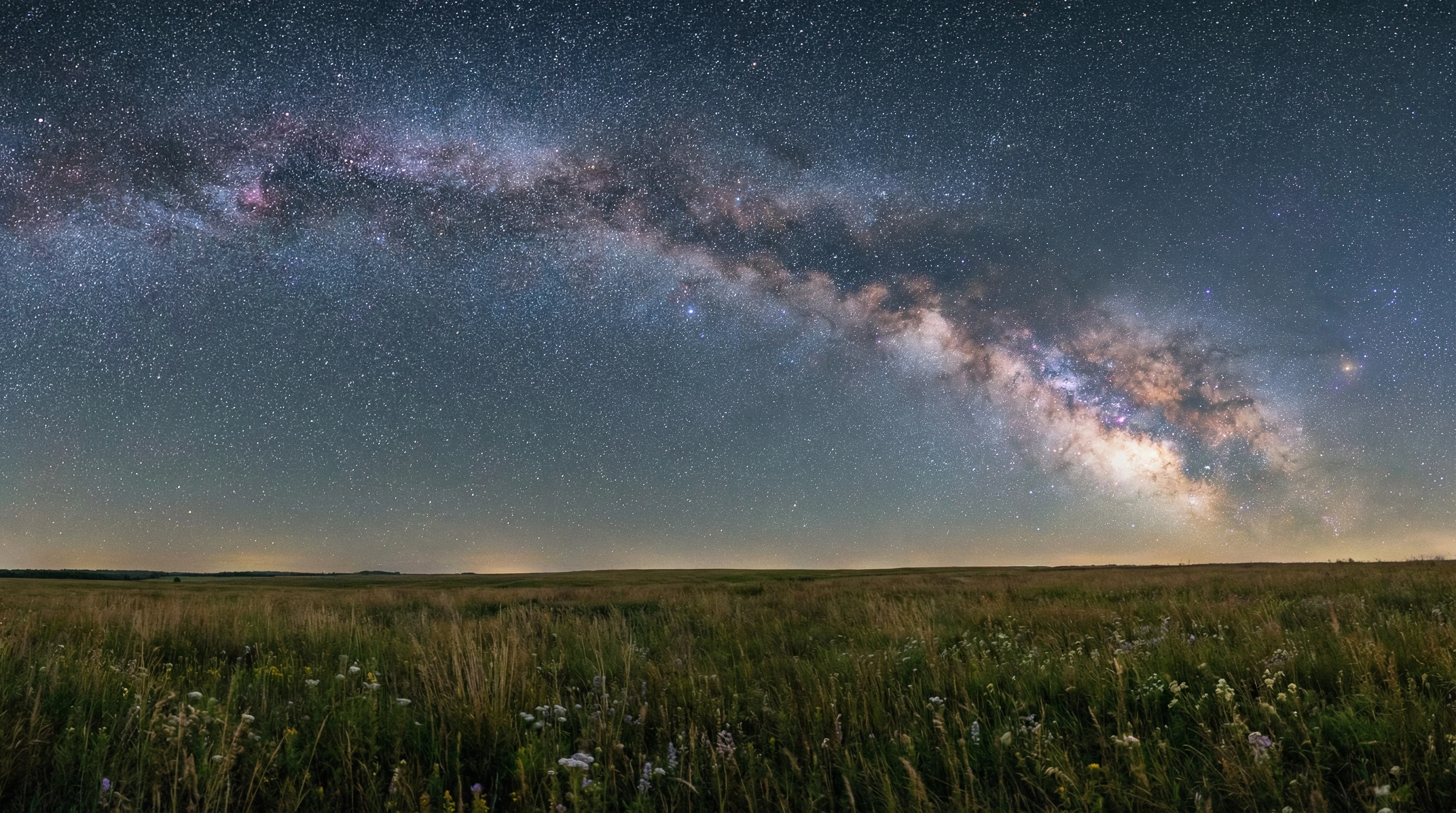
- Milky Way: In really dark areas (away from city lights), the Milky Way looks like a cloudy band running across the sky. Super cool to see for the first time.
- Shooting Stars (Meteors): Meteors randomly appear, but meteor showers are predictable and always fun to catch.
With a simple sky chart or a stargazing app, you’ll spot even more. Over time, you’ll pick up on subtle differences in brightness and color that reveal distant double stars or red giants like Betelgeuse.
How to Maximize What You See in the Night Sky
- Check the Weather: Clouds, humidity, and haze can block your view. Clear, dry nights are perfect for stargazing.
- Know the Moon Phase: Full moons can make it tough to see stars, but new moons (no visible moon) mean darker skies and great viewing.
- Arrive Early: Allow your eyes 20-30 minutes to adjust to the dark. Avoid looking at phones or white lights while waiting, or use a red filter to keep your night vision sharp.
- Use a Star Map or App: The sky mixes it up each month. Apps like SkySafari or Star Walk make it super easy to spot what’s overhead right now. They often alert you to passing satellites or the International Space Station, adding surprises to your night.
- Take Your Time: Stars can take a few minutes to “pop” out once you’re in the dark. Patience pays off.
Combining these steps helps boost what you see and makes the entire experience way more enjoyable. Practice looking for patterns, try to make out fainter stars, and don’t rush moving on to another part of the sky—sometimes the most interesting things appear after five or ten minutes of careful watching.
Things to Think About Before Investing in Stargazing Gear
Jumping straight into buying a telescope isn’t always the best move. I learned this the slow (and slightly expensive) way. There are a few things that are really important to think about first:
- Light Pollution: Consider how much artificial light you have at home; too much, and even the best telescope shows only the brightest objects.
- Budget: Binoculars are a great alternative for those on a budget. You can always upgrade as you go and learn what works best for your viewing preferences.
- Learning Curve: Handling a telescope isn’t always obvious; practice helps, but so does joining a club or reading up before buying one.
- Portability: The best telescope is the one you’ll actually use. If it’s heavy or tricky to set up, you might lose motivation quickly, especially if you have to move it a lot.
- Personal Interests: Some people love lunar or planetary observing, others prefer deep sky objects like galaxies and nebulas. Your preference helps pick the best gear down the line. If you’re all about astrophotography, you might want a different style setup.
Light Pollution
Light pollution is probably the biggest challenge for city observers. Even small towns have plenty of stray light that hides fainter stars. Apps like Light Pollution Map or websites like Dark Site Finder help you track down darker viewing spots nearby. Getting even ten minutes outside city limits can make a massive difference for spotting the Milky Way or catching a glimpse of distant clusters.
Choosing Binoculars vs. Telescopes
Entrylevel binoculars like 7x50s are super easy to use and open up views to star clusters and even some moons of Jupiter. Telescopes, especially reflectors or refractors, demand a little learning but give closeups of planets, double stars, and some galaxies. For my first year, binoculars were more than enough and much easier to carry around—that convenience means more time actually stargazing.
Local Astronomy Clubs and Star Parties
One of the easiest shortcuts to learning is hanging out with other stargazers. Clubs host public viewings, answer questions, and often let newbies try all kinds of telescopes. It’s a friendly way to learn what you like without making a big upfront purchase. At these events, you’ll also hear what’s currently trending in amateur astronomy and get tips for spotting upcoming events.
Level Up: Extra Stargazing Tips and Tricks for Beginners
After you’ve spent some nights spotting brighter objects, these little steps can make things even more rewarding:
Keep a Sky Journal: Sketching what you see or jotting down notes each night is helpful. I still look back at mine to remember when I spotted Mars for the first time.
Download Astronomy Apps: Apps like Stellarium, Star Walk, or SkySafari use your phone’s sensors to show you what’s up at any moment. They’ve definitely expanded my viewing and made it easier to spot satellites or unexpected flyovers.
Try Some Astrophotography: Mounting your phone to binoculars or using a simple camera tripod is a way to make happen what you see and share cool snaps with friends. Even basic smartphones pick up amazing details if you experiment with settings.
Attend Meteor Shower Nights: Meteor showers like the Perseids (August) or Geminids (December) are super easy to catch. Just lie back and watch. They’re perfect for families or group outings, and a good excuse to stay up late with company.
Focus on Patience Over Perfection: Not every session goes smoothly. Clouds roll in, gear acts up, or planets aren’t visible. Patience makes stargazing way less frustrating and keeps you enjoying the process. Sometimes the best nights are the unexpected ones.
Picking Your First Stargazing Equipment
Your starter setup depends a lot on how you want to approach the hobby. For early sessions, I found this combo very handy:
- 7×50 or 10×50 Binoculars: Handy for spotting the Moon, clusters, and the Milky Way.
- Simple Star Map or Mobile App: A good way to match what you see to what’s actually out there.
- Basic Reflector Telescope: If you’re ready to move past binoculars, entrylevel reflectors (4 to 6 inch) are versatile and offer great views for beginners.
Plenty of stargazers also build DIY accessories, like cardboard tubes as finderscopes, or paint red filters on spare flashlights. This makes the hobby accessible, with lots of room to grow as you learn. Don’t be afraid to experiment with different setups, read reviews, and swap stories with others you meet along the way.
Frequently Asked Questions
Here are some common questions beginners usually ask about stargazing:
Question: When is the best time of night for viewing stars?
Answer: A couple of hours after sunset is usually best, once the skies are fully dark. Avoid evenings with a full moon for top star visibility, since moonlight can wash out fainter celestial sights. New moon weekends are often prime time for great viewing.
Question: How can I find a dark sky spot near me?
Answer: Check out online light pollution maps or connect with local astronomy clubs. National and state parks are also great places for stargazing. Additionally, asking in online forums dedicated to amateur astronomy can lead you to secret gems and recommendations from seasoned hobbyists.
Question: What objects are easiest to see when you’re just starting out?
Answer: The Moon, Venus, Jupiter, and the brightest constellations like Orion and Cassiopeia are all visible to the naked eye and easy for newbies to spot. Tracking satellite flyovers or trying to see the International Space Station can also spice up your sessions, giving you something different to look for every time you’re out.
Enjoying the Stargazing Adventure
Getting started with stargazing is more about curiosity and patience than about having professional gear or deep astronomy knowledge. Focus on what you can see and enjoy the experience as your skills grow. The sky is full of surprises and, every time you step outside, you’re opening the door to another corner of the universe. All you really need is your eyes, some time, and that willingness to look up and wonder.